
One of the first culture shocks of moving to Italy has nothing to do with bureaucracy or the language — it's dinner. Meal times, menu structure, and what's considered polite at the table all work differently here, and getting it wrong is easy to do without ever meaning to. This guide covers the basics so your first trattoria dinner in Turin feels familiar instead of confusing.
1. When Italians Actually Eat
Meal times in Italy run later than in most countries, and restaurant kitchens close between services:
- Colazione (breakfast): Light and quick — a cappuccino and a cornetto standing at a bar counter, not a sit-down meal.
- Pranzo (lunch): Traditionally the main meal of the day, usually 12:30–14:30. Many kitchens close entirely between lunch and dinner service.
- Cena (dinner): Rarely starts before 19:30–20:00, and often later on weekends. Showing up at a restaurant at 18:00 expecting dinner service is one of the most common tourist mistakes.
2. Decoding an Italian Menu
A full Italian meal is structured in courses, though nobody is expected to order all of them every time:
- Antipasto: Starter — cured meats, cheese, bruschetta.
- Primo: First course — pasta, risotto, or soup. This is a course on its own, not a side dish.
- Secondo: Second course — meat or fish, typically served without a starch.
- Contorno: Side dish — vegetables or salad, usually ordered separately from the secondo, not automatically included.
- Dolce: Dessert, followed by coffee.
Ordering just a primo, or just a secondo with a contorno, is completely normal — nobody expects every course from every guest.
3. Table Manners Worth Knowing
- Bread is not a starter. It's meant to accompany the meal (and to fare la scarpetta — mop up sauce at the end), not to be filled up on before food arrives.
- Pasta is eaten with a fork only. Using a spoon to help twirl spaghetti, or cutting long pasta with a knife, will get you gently teased by any Italian at the table.
- Keep your hands visible. Resting wrists on the table edge is expected; hands in your lap for the whole meal reads as a little odd.
- Doggy bags are uncommon outside of very casual places, though attitudes are slowly changing — it's fine to ask, just don't expect it to be the default.
4. Coffee Rules (These Are Taken Seriously)
- Cappuccino is a morning drink. Ordering one after 11am, or after a meal, is one of the fastest ways to be spotted as a tourist. After lunch or dinner, order an espresso (just "un caffè").
- Standing at the bar is cheaper than sitting. Many bars charge a table service premium — if you're just grabbing a quick coffee, drink it standing at the counter like locals do.
5. Ordering and Paying the Bill
- The bill won't come automatically. Italian dining is unhurried by design — ask for "il conto, per favore" when you're ready; waiters won't rush you by bringing it unprompted.
- Coperto: Many restaurants add a small per-person cover charge (€1–3) for bread and table service — it's normal, not a scam.
- Splitting the bill ("fare alla romana") is common among friends and completely acceptable to ask for.
- Tipping is not expected the way it is in the US — rounding up or leaving small change for good service is appreciated but optional.
6. Want to Go Deeper?
If you'd like a more structured overview of Italian dining etiquette, Hospitality Certificate's free "Italian Dining Etiquette & Culture" course covers similar ground in about 75 minutes across six short modules, aimed specifically at travelers, expats, and study-abroad students. The course itself is free; they offer an optional paid certificate (€7.99) if you want something verifiable to show. It's an independent third-party platform, not affiliated with ISOT — just a resource we think is genuinely useful if you want to go beyond this guide.
7. Practice What You've Learned — With Us
The best way to get comfortable with any of this is at the table with other people. ISOT's weekly events are a low-pressure way to do exactly that:
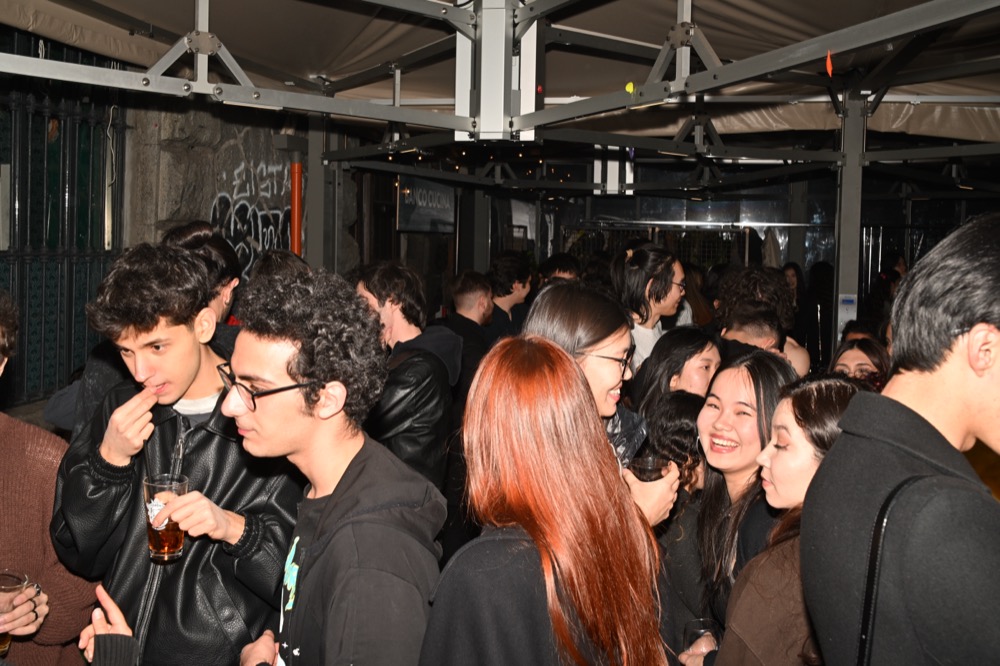
- Monday Karaoke Night @ Rough Bar: Casual drinks and songs, no dinner-table stakes.
- Thursday International Social Hub @ Capodoglio: Multicultural meetups right along the Po River at Murazzi.
Follow @isot.community on Instagram
See weekly event photos, stories, and student life in Turin!